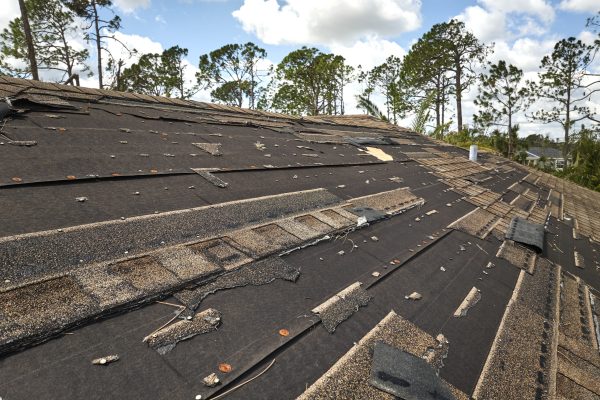
1. Your Roof Is Older Than 20–25 Years
Most asphalt shingle roofs have an expected lifespan of 20 to 25 years. If your roof is within or past that range, even if you don’t see obvious issues yet, the materials are likely approaching the end of their effective life.
Why it matters: Aging shingles lose granules, become brittle, and are more prone to leaks and wind damage.
What to do: Schedule a professional inspection to check the underlayment, flashing, and overall condition.
2. Multiple or Severe Shingle Damage
Small shingle problems can be repaired, but widespread curling, cracking, missing shingles, or heavy granule loss usually mean the roof’s protective layer has failed.
Visual signs: Curled or cupped shingles, bald spots where granules are missing, or large areas of broken shingles.
Risk: Exposed underlayment invites moisture into the roof deck and attic, causing rot and mold.
3. Persistent Leaks or Interior Water Stains
If you notice recurring leaks, water stains on ceilings or walls, or damp insulation in the attic — especially after multiple repair attempts — the roof system may be compromised beyond repair.
Hidden damage: Repeated leaks can cause structural rot, mold growth, and insulation failure.
Professional step: A certified roofer will trace the leak source and confirm whether replacement is the most reliable solution.
4. Sagging Roof Deck or Structural Issues
A sagging roof line or soft spots in the attic floor are urgent red flags. These indicate water intrusion or structural weakening of the roof deck.
Severity: Sagging suggests trapped moisture and possible rot or compromised rafters — a safety concern that requires immediate attention.
Action: Arrange an emergency inspection — structural reinforcement and full replacement may be required.
5. Rising Energy Bills & Poor Insulation Performance
If heating or cooling costs have risen and you’ve noticed drafts, uneven indoor temperatures, or ice dams in winter, your roof and attic insulation may be failing.
Cause: Damaged shingles, poor ventilation, or degraded underlayment reduce energy efficiency.
Benefit of replacement: A new roof, combined with updated ventilation and insulation, improves comfort and lowers energy costs.
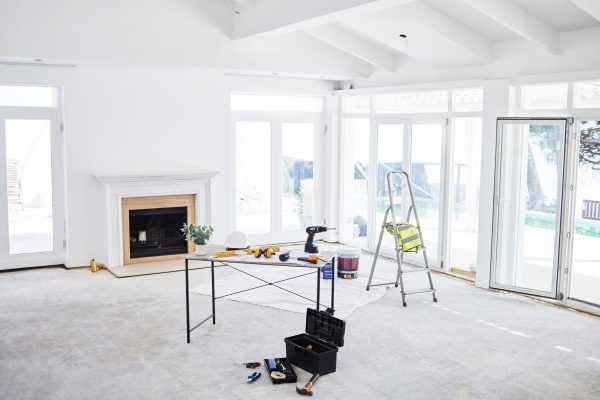
1. Smart Home Integration & Automation
Technology isn’t just a “nice-to-have” anymore — it’s a standard feature. Voice-activated lighting, AI thermostats, smart security systems and app-controlled appliances are all part of the modern home.
In Connecticut, where weather extremes and energy costs matter, smart systems can drive comfort and efficiency.
2. Sustainable & Eco-Friendly Materials
Green remodeling is here to stay. Homeowners are opting for reclaimed wood, recycled glass countertops, low-VOC paints, solar panels, and other energy-efficient upgrades.
In Connecticut’s mixed climate, investing in sustainable materials and better insulation makes long-term sense.
3. Multifunctional & Flexible Spaces
With more remote work, hybrid lifestyles, and evolving needs, spaces that serve multiple functions are highly sought after. Think home offices that double as guest rooms, living rooms that convert into workout zones, or children’s study/play areas built into larger layouts.
4. Biophilic Design & Natural Elements
Bringing nature indoors through large windows, wood and stone finishes, indoor plants, and organic textures is increasingly popular.
For Connecticut homeowners, this means capitalizing on views and daylight while creating calming, wellness-oriented interiors.
5. Bold Colors, Textures & Personal Expression
White and grey weren’t bad — but 2025 favours richer palettes, textured panels, layered surfaces and maximalist touches that reflect personality.
For example: deep green cabinetry, fluted wall panels, mixed-metal finishes or accent walls that make a statement.
6. Spa-Inspired Bathrooms & Wellness Spaces
Bathrooms are being re-imagined as retreats. Key features include free-standing tubs, steam showers, heated floors, ambient lighting and natural finishes.
In Connecticut, where colder months are long, these upgrades enhance comfort and create luxury at home.
7. Outdoor Living Spaces & Seamless Indoor-Outdoor Flow
Your deck or patio isn’t an add-on — it’s becoming part of the living environment. Outdoor kitchens, fire pits, weather-proof furniture, retractable roofs or large glass doors create year-round usable spaces.
For CT homes, this means designing for both summer use and colder-weather comfort.
8. Customization & Bespoke Design
Mass-produced, cookie-cutter designs are giving way to custom cabinetry, unique built-ins, tailored layouts and finishes that reflect personal style.
Whether interior or exterior, a personalized approach can increase property value and satisfaction.
9. Hidden Storage & Clever Space Optimization
Smart storage solutions—like built-in wall units, under-stair drawers, hidden cabinets and multi-purpose furniture—are on the rise as homeowners seek function without clutter.
Especially relevant in older Connecticut homes, where maximizing space is often needed.
10. Wellness & Healthy Home Features
Beyond aesthetics, homes are being designed with health in mind: better ventilation, indoor air purification, low-VOC materials, quiet zones, meditation nooks, and spaces designed for relaxation and well-being.
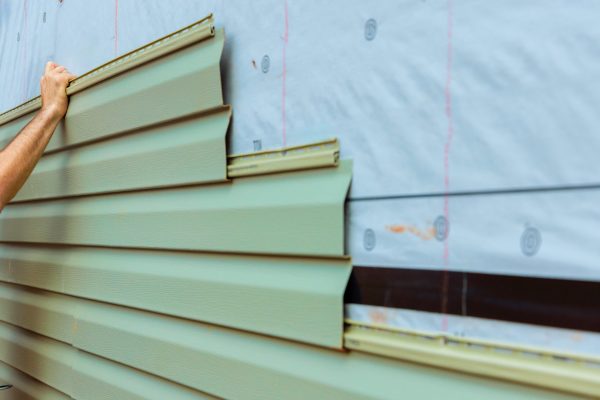
Here’s a simple, seasonal guide to help you care for your siding and gutters — and when to call in the pros at MAYK Home Improvement LLC.
- Spring: Clean and Inspect After Winter
After harsh winter weather, spring is the time to inspect for damage and get your exterior ready for rain.
- Siding
Look for cracks, warping, or loose panels caused by freezing and thawing.
Clean with mild soap or a power washer on low to remove dirt and mildew.
Re-caulk around windows and doors to keep water out.
- Gutters
Remove debris like twigs and leaves to restore water flow.
Check for leaks, rust, or sagging sections.
Make sure downspouts drain at least 5 feet away from your home’s foundation.
Pro Tip: Schedule a professional inspection for roofs, siding, and gutters — especially if ice dams were an issue in winter.
- Summer: Repair and Reinforce
Summer brings longer days and dry conditions — ideal for repairs and upgrades.
- Siding
Touch up fading or peeling paint to prevent UV damage.
Replace damaged vinyl or wooden boards before they cause leaks.
Consider energy-efficient insulated siding to keep your home cooler.
- Gutters
Check seams and joints for leaks after heavy spring rains.
Install gutter guards to minimize clogs during summer storms.
Inspect fascia boards for signs of rot or moisture.
- Fall: Prepare for Leaves and Heavy Rain
Connecticut’s autumn beauty means falling leaves — and potential gutter blockages.
- Siding
Give siding a quick rinse to remove pollen and dust.
Trim nearby trees to prevent branches from scraping or damaging panels.
Seal gaps or holes to keep out moisture and insects.
- Gutters
Clean gutters thoroughly before the first frost.
Ensure downspouts are clear to handle heavy fall rains.
Consider a professional gutter cleaning if your home is two stories or surrounded by trees.
- Winter: Prevent Ice and Moisture Damage
Winter is the hardest season for Connecticut homes. Prevent freeze-related issues before temperatures drop.
- Siding
Inspect for cracks or gaps where cold air or moisture can enter.
Clear snow and ice buildup near the foundation and walls.
Check indoor walls for moisture spots — they may signal leaks behind siding.
- Gutters
Remove ice dams as soon as possible.
Keep attic ventilation and insulation in balance to prevent melting and refreezing.
Have your gutters checked mid-season if icicles form frequently.
© 2025 Copyright All rights reserved by maykimprovement.llc